Unlocking Efficiency: Why Cloud-Based Accounting Software Is Your Business’s Secret Weapon
As a business owner, you’re constantly juggling a million tasks, from managing your team to chasing down new clients. It’s easy to get bogged down in the day-to-day grind, and sometimes, the crucial task of managing your finances can fall by the wayside. But let’s face it, your business’s financial health is paramount. You need a system that’s reliable, efficient, and accessible – and that’s where cloud-based accounting software comes in.
Cloud-based accounting software isn’t just a fancy buzzword; it’s a game-changer for businesses of all sizes. Imagine a world where you can access your financial data anytime, anywhere, from any device. No more clunky desktop software, no more worrying about losing data, and no more feeling tied to your office. Cloud-based accounting software empowers you to take control of your finances and focus on what truly matters: growing your business.
But beyond the convenience, cloud-based accounting software offers a plethora of features that streamline your financial operations and help you make smarter decisions. From automated bank reconciliation and expense tracking to insightful reporting and real-time dashboards, these tools are designed to give you a clear picture of your business’s financial health, enabling you to make informed decisions that drive growth. And let’s not forget the security aspect – cloud-based software providers invest heavily in robust security measures, ensuring your data is protected from unauthorized access and cyber threats.
Beyond the Hype: Understanding the Benefits of Cloud-Based Accounting Software
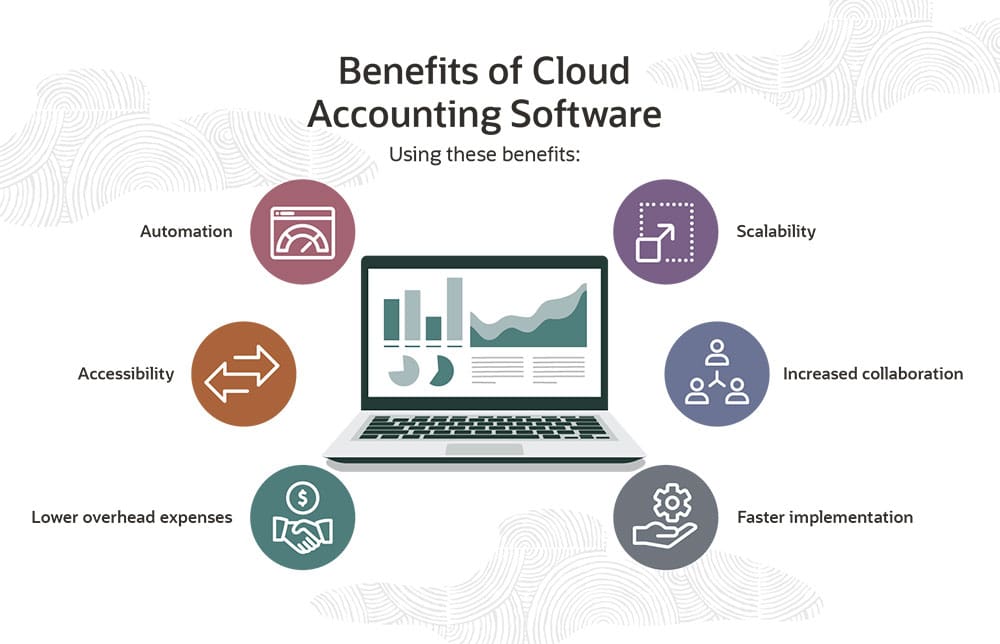
While the convenience and accessibility of cloud-based accounting software are undeniable, the true value lies in the myriad of benefits it offers. Imagine a world where you can automate repetitive tasks, gain real-time insights into your business performance, and collaborate seamlessly with your team, all from a single platform. This is the power of cloud-based accounting software.
One of the most significant benefits is automation. Say goodbye to manual data entry and tedious reconciliation processes. Cloud-based software can automatically import bank transactions, categorize expenses, and generate reports, freeing up your time to focus on strategic tasks. The time savings alone can be a game-changer for busy entrepreneurs, allowing you to dedicate more hours to building your business.
Another key advantage is the ability to access real-time data and insights. Traditional accounting software often requires manual updates and reconciliation, leading to delayed information and limited visibility into your financial performance. Cloud-based software, on the other hand, provides real-time updates, giving you a clear picture of your cash flow, profitability, and other key metrics. This real-time visibility empowers you to make data-driven decisions and stay ahead of the curve.
Collaboration is also a key benefit. With cloud-based software, your team can access and work on financial data simultaneously, regardless of their location. This fosters transparency and efficiency, eliminating the need for manual data sharing and reducing the risk of errors. Imagine the ease of collaborating with your accountant or bookkeeper remotely, ensuring everyone is on the same page and working towards the same financial goals.
Choosing the Right Cloud-Based Accounting Software for Your Business
The beauty of cloud-based accounting software is its versatility. There’s a solution out there for every business, regardless of size, industry, or budget. But with so many options available, choosing the right software can seem overwhelming. Here’s a breakdown of key factors to consider:
1. Features: Take a close look at the features offered by each software, ensuring they align with your specific needs. Do you need robust inventory management, advanced reporting capabilities, or integration with other business applications? Consider the core functions you require and prioritize software that provides them.
2. Scalability: As your business grows, your accounting needs will likely evolve. Choose software that can scale with your business, offering additional features and capacity as you expand. Look for platforms that can handle increasing transaction volumes, complex reporting requirements, and multiple user accounts.
3. Cost: Cloud-based accounting software comes in a variety of price points, so it’s essential to consider your budget. Factor in the cost of the software itself, as well as any additional fees for support, training, or integrations. Don’t forget to compare the value proposition of each software based on its features, ease of use, and customer support.
4. User-friendliness: While robust features are essential, the software should also be easy to use and navigate. Look for platforms with intuitive interfaces, comprehensive help documentation, and responsive customer support. The easier the software is to use, the more likely you and your team will adopt it and reap its benefits.
5. Security: Protecting your business data is paramount. Choose software providers with robust security measures, including encryption, data backups, and two-factor authentication. Look for certifications like ISO 27001 and SOC 2, which demonstrate a commitment to data security and compliance.
Navigating the Implementation Process: A Smooth Transition to Cloud-Based Accounting
Switching to cloud-based accounting software can be a significant change, but it doesn’t have to be a daunting task. By following a structured approach, you can ensure a smooth transition and maximize the benefits of your new software.
1. Preparation is Key: Before implementing any new software, it’s crucial to prepare your business for the transition. Start by evaluating your current accounting processes, identifying areas for improvement, and documenting your existing data. This will help you streamline the migration process and ensure a seamless transition.
2. Choose the Right Software: As discussed earlier, selecting the right cloud-based accounting software is crucial. Take your time to research different options, compare features, and consider your specific needs. Don’t be afraid to ask for demos or free trials to get a hands-on feel for the software.
3. Training is Essential: Once you’ve chosen your software, ensure your team receives adequate training. Invest in online tutorials, webinars, or even in-person workshops to familiarize everyone with the new system. Proper training will minimize confusion, reduce errors, and ensure everyone can effectively utilize the software.
4. Start Small and Gradual: Don’t try to implement everything at once. Start with a few key processes, such as expense tracking or invoicing, and gradually expand as you become more comfortable with the software. This approach allows you to test the system, identify potential issues, and make adjustments before fully migrating all your financial operations.
5. Seek Support When Needed: Cloud-based accounting software providers offer a range of support options, from online help documentation to live chat and phone support. Don’t hesitate to utilize these resources if you encounter any challenges or have questions. Remember, you’re not alone in this journey, and there’s always help available.
Beyond the Basics: Advanced Features for Business Growth
Cloud-based accounting software isn’t just about managing your day-to-day finances; it’s also about empowering you to make strategic decisions that drive growth. Many advanced features can help you gain valuable insights into your business performance, identify areas for improvement, and make informed decisions that lead to success.
1. Reporting and Analytics: Cloud-based software offers a wealth of reporting and analytics tools that can provide a comprehensive view of your business performance. From profit and loss statements to cash flow projections, you can generate a variety of reports to track key metrics, identify trends, and make data-driven decisions.
2. Budgeting and Forecasting: Predicting your future financial performance is essential for making informed business decisions. Cloud-based software can help you create budgets, track expenses against your budget, and forecast future cash flow. This information can help you identify potential financial risks and opportunities, enabling you to proactively manage your finances.
3. Inventory Management: If you have a physical inventory, cloud-based software can streamline your inventory management processes. You can track stock levels, manage purchase orders, and monitor sales trends, ensuring you always have the right products in stock and minimizing inventory waste.
4. Integration with Other Applications: Cloud-based accounting software seamlessly integrates with other business applications, such as CRM, e-commerce platforms, and payment processors. This integration streamlines your workflows, automates data sharing, and provides a holistic view of your business operations.
5. Mobile Accessibility: With mobile apps, you can access your financial data anytime, anywhere, from your smartphone or tablet. This flexibility allows you to stay on top of your finances, approve invoices, and make critical decisions, even when you’re on the go.
Embracing the Future: The Evolution of Cloud-Based Accounting Software
The world of cloud-based accounting software is constantly evolving, with new features and functionalities emerging regularly. Artificial intelligence (AI) is playing an increasingly significant role, automating tasks, providing personalized insights, and even predicting future financial performance. As AI technology advances, we can expect even more innovative features that will empower businesses to make smarter decisions and drive growth.
Another trend is the increasing integration of cloud-based accounting software with other business applications. This interconnected ecosystem allows businesses to access a holistic view of their operations, streamlining workflows and improving efficiency. From CRM and e-commerce platforms to marketing automation tools and project management software, cloud-based accounting software is becoming the central hub for managing all aspects of a business.
The future of cloud-based accounting software is bright, with continued innovation and advancements that will further revolutionize the way businesses manage their finances. By embracing these technologies, businesses can unlock new levels of efficiency, gain valuable insights, and make informed decisions that drive growth and success. The world of accounting is no longer confined to dusty ledgers and spreadsheets; it’s a dynamic and evolving landscape where technology empowers businesses to thrive.