Ditch the Desk, Embrace the Cloud: The Power of Web-Based ERP Solutions
Let’s face it, running a business is a whirlwind of activity. You’re juggling sales, inventory, finances, and customer relations, all while trying to stay ahead of the competition.
It can feel like you’re constantly drowning in paperwork, spreadsheets, and disconnected systems. But what if I told you there’s a way to streamline all these processes, improve efficiency, and free up your time to focus on what truly matters?
That’s where web-based ERP solutions come in.
Think of web-based ERP solutions as the digital backbone of your business, connecting all your essential functions in one centralized platform. Gone are the days of clunky desktop software and fragmented data.
With web-based ERP, you can access everything you need from any device, anytime, anywhere. Imagine managing your inventory, tracking customer orders, and analyzing financial reports all within the same intuitive interface. No more switching between different programs or struggling to reconcile information.
It’s a seamless, unified experience that empowers you to make informed decisions faster and more effectively.
But the benefits of web-based ERP solutions extend far beyond convenience. They offer a level of scalability and flexibility that traditional on-premise systems simply can’t match.
As your business grows, your ERP system can grow with you. No need for costly hardware upgrades or complex installations. Simply scale your subscription plan to accommodate your expanding needs.
And because everything is hosted in the cloud, you can access your data from anywhere in the world, making it ideal for businesses with remote teams or global operations.
This flexibility allows you to stay agile and responsive to changing market conditions, giving you a competitive edge in today’s dynamic business landscape.
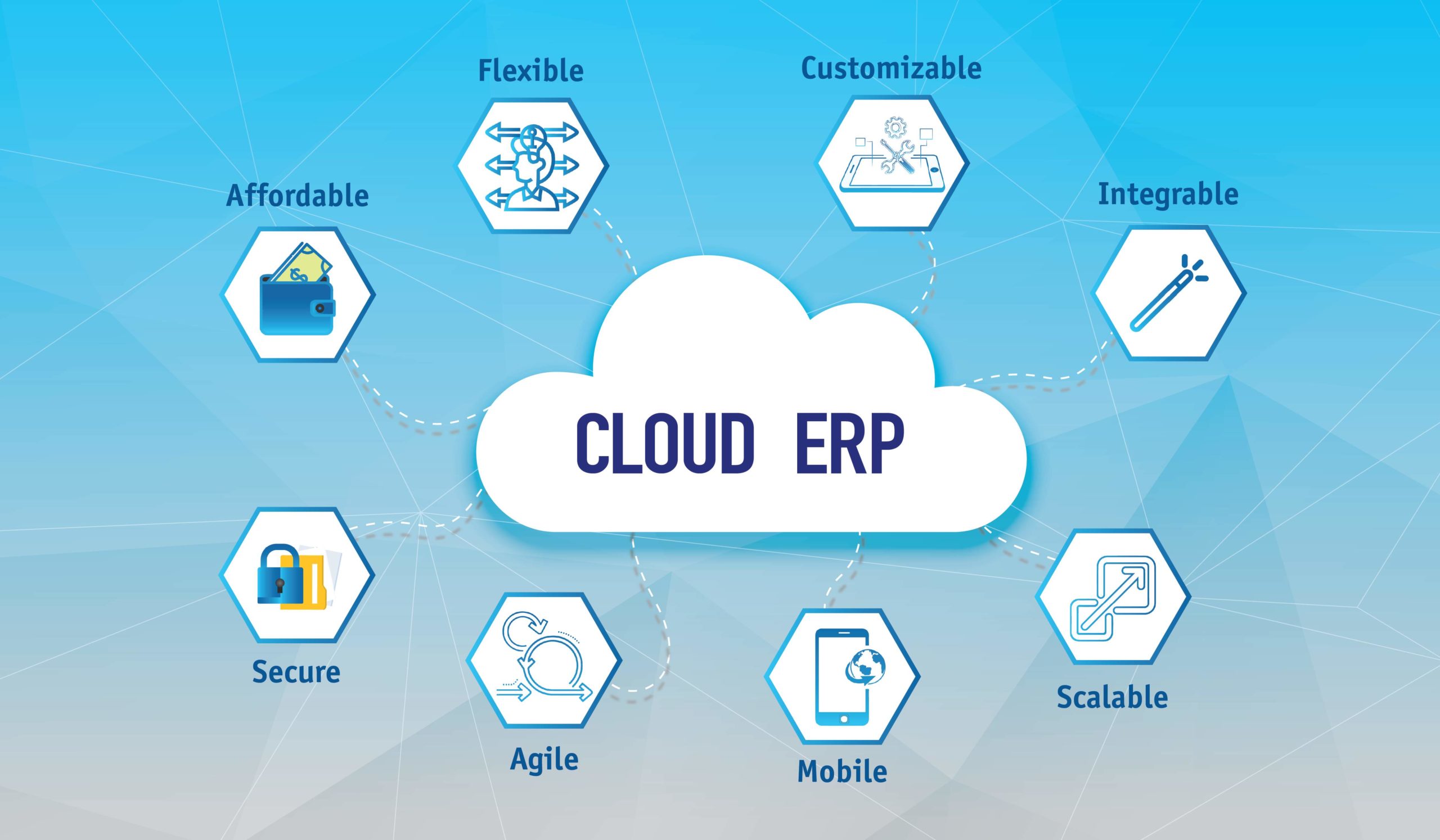
The Advantages of Web-Based ERP: A Game Changer for Your Business
Web-based ERP solutions are more than just a technological upgrade, they’re a strategic advantage that can transform the way you do business. Let’s delve deeper into some of the key benefits that make them an attractive option for businesses of all sizes.
First, let’s talk about cost savings. Traditional on-premise ERP systems require significant upfront investments in hardware, software licenses, and IT support.
Web-based solutions, on the other hand, offer a more affordable and predictable pricing model. You pay a monthly subscription fee that includes everything from software updates and maintenance to technical support.
This eliminates the need for large capital outlays and allows you to budget for your ERP solution more effectively. Plus, you can often find cloud-based solutions that are specifically tailored to your industry and business size, making them even more cost-effective.
Beyond cost savings, web-based ERP solutions offer unparalleled flexibility and scalability. As your business evolves, you can easily adjust your subscription plan to accommodate your changing needs. Need to add more users or integrate new modules?
No problem. With web-based ERP, you have the agility to adapt to changing market conditions and seize new opportunities without being hampered by rigid software limitations.
This flexibility is particularly valuable for startups and small businesses that are rapidly growing and need a solution that can keep pace with their expansion.
Finally, web-based ERP solutions offer enhanced security and reliability. Cloud providers invest heavily in data centers and security measures to protect your sensitive information.
With regular updates and backups, you can rest assured that your data is safe and accessible even in the event of a disaster.
This peace of mind allows you to focus on your core business without worrying about data loss or security breaches.
Choosing the Right Web-Based ERP Solution: A Guide to Finding the Perfect Fit
The decision to adopt a web-based ERP solution is a significant one, and it’s important to choose the right system for your specific needs. With so many options available, it can be overwhelming to navigate the landscape and find the perfect fit. But don’t worry, I’m here to guide you through the process.
First, take a step back and assess your business requirements. What are your current pain points? What areas need improvement? Do you need a solution that integrates with your existing systems? Once you have a clear understanding of your needs, you can start narrowing down your options. Consider factors such as:
- Industry specialization: Some ERP solutions are designed specifically for certain industries, such as manufacturing, retail, or healthcare. Look for a solution that caters to your unique business needs.
- Scalability and flexibility: Choose a solution that can grow with your business and adapt to changing requirements.
- Integration capabilities: Ensure the ERP solution integrates seamlessly with your existing systems, such as your CRM, accounting software, or e-commerce platform.
- User interface and functionality: The user interface should be intuitive and easy to navigate, even for users with limited technical experience. Look for features that streamline your processes and improve efficiency.
- Pricing and support: Compare pricing models and ensure the solution offers adequate support and training.
Once you’ve identified a few potential solutions, take advantage of free trials or demos to get a hands-on experience. Talk to other businesses in your industry who have implemented web-based ERP solutions to gather their insights and feedback. And remember, the right ERP solution can make a world of difference in your business success.
Implementing Web-Based ERP: A Seamless Transition to Enhanced Efficiency
Choosing the right web-based ERP solution is just the first step. Successful implementation is crucial to maximizing its benefits and ensuring a smooth transition for your team. Here’s a breakdown of key considerations for a successful implementation:
- Planning and preparation: Start by carefully planning your implementation strategy. Define your goals, identify key stakeholders, and establish clear timelines. This ensures a structured approach that minimizes disruption to your daily operations.
- Data migration: Transferring your existing data to the new ERP system is a critical step. Ensure accurate data migration and establish proper validation processes to avoid errors and maintain data integrity.
- User training and adoption: Effective user training is essential for maximizing user adoption. Provide comprehensive training materials, hands-on workshops, and ongoing support to ensure your team is comfortable using the new system.
- Change management: Implementing a new ERP system can be a significant change for your organization. Communicate effectively, address concerns, and provide ongoing support to help your team adapt to the new system.
Remember, successful implementation is a collaborative effort involving all stakeholders. Open communication, effective training, and a willingness to adapt are key to a smooth transition and maximizing the benefits of your web-based ERP solution.
Web-Based ERP: The Future of Business Management
The world of business is constantly evolving, and web-based ERP solutions are at the forefront of this transformation. They offer a powerful combination of efficiency, flexibility, and scalability that empowers businesses to stay ahead of the competition.
By embracing the cloud and leveraging the power of web-based ERP, you can streamline your operations, improve decision-making, and unlock new growth opportunities.
Think of web-based ERP as an investment in your future. It’s an investment in efficiency, productivity, and ultimately, your business success.
So, take the leap, embrace the cloud, and experience the transformative power of web-based ERP solutions. The future of your business is waiting.