Unleashing the Power of a Cloud Based Inventory System: Streamline Your Operations and Skyrocket Your Profits
The world of business is constantly evolving, and staying ahead of the curve requires embracing innovative solutions that streamline operations and optimize efficiency. One such game-changer is the cloud-based inventory system. Imagine a world where inventory data is accessible anytime, anywhere, with real-time updates that keep you informed on every single item, from the moment it enters your warehouse to the instant it leaves for its destination. This is the power of a cloud-based inventory system. No more clunky spreadsheets, manual counts, or outdated information. Instead, you have a centralized hub that empowers you to make informed decisions, optimize stock levels, and ultimately, boost your bottom line.
Think of it as a digital brain for your business. It acts as a central command center, managing every aspect of your inventory, from procurement and storage to sales and fulfillment. With a cloud-based system, you gain access to a wealth of data, allowing you to track inventory levels, monitor sales trends, and identify potential shortages or overstocking issues. This level of visibility empowers you to make proactive adjustments, preventing costly stockouts and minimizing wasted resources. But the benefits go beyond just inventory management. Cloud-based systems integrate seamlessly with other essential business functions, like accounting, customer relationship management (CRM), and e-commerce platforms. This interconnectedness creates a streamlined workflow, eliminating manual data entry and reducing the risk of errors. The result? A smoother, more efficient operation that frees up your team to focus on higher-value tasks.
The Benefits of Embracing Cloud Based Inventory Systems
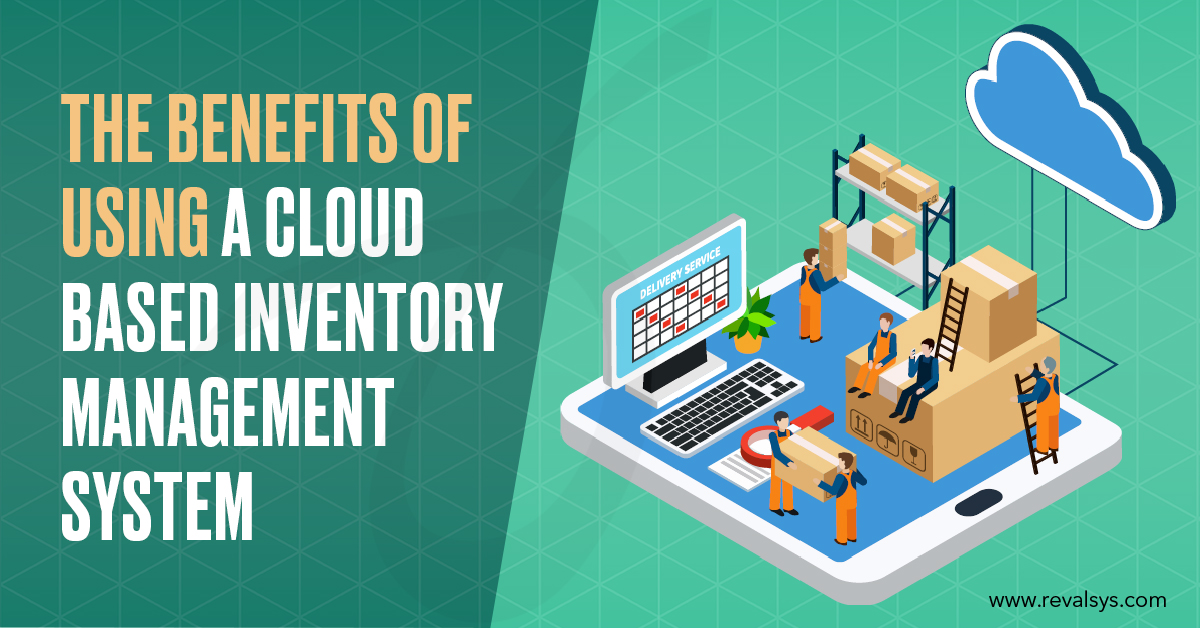
The advantages of a cloud-based inventory system are undeniable. It’s not just about technology; it’s about empowering your business to thrive in a competitive landscape. Here’s a closer look at the key benefits:
1. Enhanced Visibility and Control: Imagine having a crystal-clear picture of your inventory at all times, regardless of your location. Cloud-based systems provide real-time visibility, allowing you to track every item from the moment it arrives at your warehouse to the instant it reaches your customer. This level of transparency empowers you to identify potential bottlenecks, anticipate demand fluctuations, and make informed decisions to optimize your inventory levels. No more guessing or relying on outdated information. You have complete control over your stock, enabling you to proactively manage your supply chain and minimize disruptions.
2. Streamlined Operations and Reduced Costs: Manual inventory management is time-consuming, prone to errors, and can lead to significant financial losses. Cloud-based systems automate key processes, eliminating the need for manual data entry, reconciliation, and physical counts. This automation frees up your staff to focus on more strategic tasks, boosting productivity and efficiency. Furthermore, the elimination of manual errors reduces the risk of stockouts, overstocking, and wasted resources, leading to significant cost savings. Cloud-based systems also minimize the need for expensive hardware investments, as all data is stored and managed in the cloud, making it an incredibly cost-effective solution.
3. Improved Customer Satisfaction: In today’s competitive landscape, customer satisfaction is paramount. Cloud-based inventory systems empower you to meet customer demands with greater accuracy and speed. Real-time insights into stock levels enable you to fulfill orders promptly and efficiently, reducing lead times and enhancing customer experience. The ability to track orders from beginning to end allows you to provide accurate delivery estimates and proactive updates, fostering trust and loyalty among your customers. A satisfied customer is a returning customer, and a cloud-based inventory system plays a crucial role in achieving that goal.
4. Scalability and Flexibility: As your business grows, so too should your inventory management capabilities. Cloud-based systems offer unparalleled scalability, allowing you to adjust your system capacity as your needs evolve. No more worrying about outdated hardware or software limitations. The cloud adapts to your growth, providing the resources you need to manage your inventory effectively, regardless of your business size. Additionally, cloud-based systems offer exceptional flexibility. You can access your data from any device, anytime, anywhere. This mobility allows you to manage your inventory on the go, making it an ideal solution for businesses operating in multiple locations or with remote teams.
5. Enhanced Security and Data Protection: Data security is a top priority for any business, and cloud-based inventory systems excel in this area. Leading cloud providers invest heavily in robust security measures, including encryption, access controls, and regular security audits. This ensures that your sensitive inventory data is protected from unauthorized access and cyber threats. Furthermore, cloud-based systems provide automatic backups and disaster recovery features, safeguarding your data against potential data loss or system failures. This peace of mind allows you to focus on running your business without worrying about the security of your vital information.
Choosing the Right Cloud Based Inventory System for Your Business
Navigating the world of cloud-based inventory systems can be overwhelming. With so many options available, it’s crucial to choose a system that aligns with your specific business needs and goals. Here are some key factors to consider:
1. Functionality and Features: Before making a decision, carefully assess the features and functionality of each system. Consider your specific requirements, such as order management, warehouse management, demand forecasting, and reporting. Some systems offer advanced analytics and reporting capabilities, while others focus on specific industry needs. Make sure the system you choose provides the tools you need to manage your inventory effectively.
2. Integration with Existing Systems: Ensure the cloud-based inventory system seamlessly integrates with your existing business systems, such as accounting software, CRM platforms, and e-commerce platforms. This integration streamlines data flow, eliminating manual data entry and minimizing errors. Look for systems that offer robust APIs and integrations with popular business applications.
3. Scalability and Growth Potential: Consider your future growth plans. Choose a system that can scale with your business, offering the capacity to handle increasing inventory volumes and transactions. Look for systems that offer flexible pricing plans and the ability to add additional features as your needs evolve.
4. User Friendliness and Support: The system should be user-friendly and intuitive, allowing your team to adopt it quickly and easily. Look for systems that offer comprehensive training resources, documentation, and responsive customer support. A system that is easy to use and backed by reliable support will ensure a smooth transition and maximize user adoption.
5. Cost and ROI: Evaluate the cost of the system, including subscription fees, implementation costs, and ongoing support. Consider the potential return on investment (ROI). A cloud-based inventory system can lead to significant cost savings through improved efficiency, reduced errors, and optimized inventory levels. Compare pricing plans and features to find a system that offers the best value for your investment.
Real-World Examples of Cloud Based Inventory Systems Success
The power of cloud-based inventory systems is not just theoretical; it’s evident in real-world success stories. Businesses across various industries have embraced these systems and witnessed transformative results.
Consider the case of a small online retailer struggling to keep up with growing demand. Manual inventory tracking was leading to frequent stockouts and frustrated customers. By implementing a cloud-based inventory system, they gained real-time visibility into their stock levels, enabling them to anticipate demand fluctuations and ensure timely order fulfillment. The result? A significant increase in customer satisfaction and a boost in sales.
Another example is a large manufacturing company grappling with complex inventory management across multiple warehouses. Their outdated system was inefficient and prone to errors, resulting in significant losses. By transitioning to a cloud-based system, they streamlined their operations, reduced errors, and gained greater control over their inventory. The result? Increased productivity, reduced costs, and improved supply chain efficiency.
These examples demonstrate the transformative power of cloud-based inventory systems. They are not just a technological upgrade; they are a strategic investment that can propel your business to new heights.
The Future of Inventory Management: Cloud Based Systems as the Key to Success
The future of inventory management is firmly rooted in the cloud. As technology continues to evolve, cloud-based systems will become even more sophisticated, offering advanced features and functionalities. We can expect to see increased integration with artificial intelligence (AI) and machine learning (ML), enabling businesses to predict demand with greater accuracy, optimize stock levels automatically, and make data-driven decisions in real-time.
The cloud-based inventory system is no longer a luxury; it’s a necessity for businesses seeking to thrive in today’s competitive landscape. By embracing this innovative solution, you can unlock a world of possibilities, streamline your operations, and propel your business towards unprecedented success. The future of inventory management is in the cloud, and it’s time to embrace the journey.