The Future of Manufacturing: Embracing Cloud Manufacturing ERP for Scalability and Efficiency
The world of manufacturing is constantly evolving, driven by advancements in technology and the ever-changing demands of the market. In this dynamic landscape, businesses are seeking innovative solutions to streamline operations, optimize resource utilization, and enhance overall efficiency. Enter cloud manufacturing ERP, a game-changer poised to revolutionize how companies approach production and supply chain management.
Cloud manufacturing ERP, unlike traditional on-premise systems, leverages the power of cloud computing to deliver a comprehensive and flexible solution. This means that instead of installing and maintaining bulky software on local servers, businesses can access and utilize their ERP system from anywhere with an internet connection. This shift to the cloud brings a plethora of benefits, including reduced infrastructure costs, increased scalability, and enhanced accessibility.
One of the most significant advantages of cloud manufacturing ERP is its inherent scalability. Imagine a scenario where your business experiences a sudden surge in demand. With a traditional ERP system, you might be forced to invest in additional hardware and software to handle the increased workload. However, with cloud manufacturing ERP, scalability is seamless. Cloud providers automatically adjust resources based on your needs, ensuring that your system can handle any workload without compromising performance. This dynamic scalability allows businesses to adapt to changing market conditions with agility, ensuring they can meet demand effectively and efficiently.
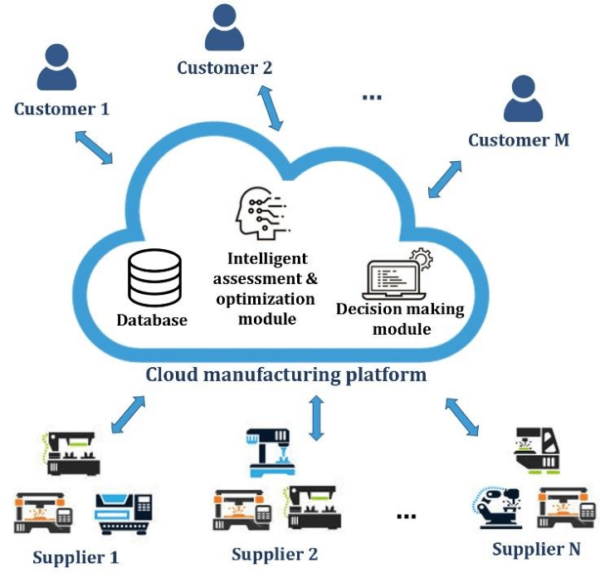
Unlocking Efficiency with Real-Time Data and Collaboration
The real-time data accessibility offered by cloud manufacturing ERP is another key advantage. Gone are the days of relying on outdated information or manually collecting data from disparate sources. Cloud-based ERP systems provide a unified platform where all data is centralized and updated in real-time. This enables businesses to gain a holistic view of their operations, from production schedules to inventory levels and customer orders.
With real-time data at their fingertips, manufacturers can make informed decisions quickly and confidently. They can identify bottlenecks in production, optimize resource allocation, and proactively address potential issues before they escalate. This data-driven approach fosters efficiency and agility, allowing businesses to respond to changing market conditions with speed and precision.
Moreover, cloud manufacturing ERP facilitates seamless collaboration between different departments and stakeholders. This collaborative environment breaks down silos and promotes information sharing, leading to improved communication and coordination across the entire organization. For instance, sales teams can access real-time inventory data to provide accurate delivery estimates to customers, while production teams can leverage customer order information to optimize production schedules. This interconnectedness enables businesses to operate as a cohesive unit, streamlining workflows and eliminating redundancies.
Embracing Agility and Innovation with Cloud Manufacturing ERP
Cloud manufacturing ERP empowers businesses to embrace agility and innovation, two crucial aspects of thriving in today’s rapidly evolving market. The flexibility of the cloud allows businesses to easily adapt to changing requirements and implement new processes without the need for extensive infrastructure upgrades. This adaptability is particularly valuable in industries where innovation cycles are short and customer expectations are constantly shifting.
For example, manufacturers can quickly integrate new technologies, such as AI-powered predictive maintenance or automated guided vehicles, into their operations by leveraging the cloud’s flexibility. This allows them to stay ahead of the curve and adopt new technologies that enhance efficiency and productivity. Moreover, cloud-based ERP systems are constantly evolving, with providers regularly introducing new features and functionalities to meet the ever-changing needs of their clients. This ensures that businesses always have access to the latest tools and technologies, keeping them at the forefront of innovation.
Another key advantage of cloud manufacturing ERP is its ability to facilitate seamless integration with other business applications. With the help of application programming interfaces (APIs), cloud-based ERP systems can connect with various software platforms, such as CRM systems, supply chain management tools, and e-commerce platforms. This integration enables businesses to create a unified ecosystem where data flows seamlessly between different applications, eliminating the need for manual data entry and reducing the risk of errors.
Navigating the Cloud Manufacturing ERP Landscape: Choosing the Right Solution
The decision to adopt cloud manufacturing ERP is a strategic one that requires careful consideration. While the benefits are undeniable, choosing the right solution for your specific needs is crucial. Several factors should be considered when evaluating different cloud manufacturing ERP providers.
First, it’s essential to assess the provider’s reputation and experience in the manufacturing industry. Look for providers with a proven track record of success and a deep understanding of the unique challenges faced by manufacturers. Additionally, consider the provider’s security measures and data privacy policies. The sensitive nature of manufacturing data necessitates a robust security infrastructure to protect against unauthorized access and cyber threats.
Next, evaluate the functionality and features offered by the cloud manufacturing ERP solution. Ensure that the system can meet your specific business requirements, including production planning, inventory management, quality control, and supply chain management. Consider the system’s scalability and its ability to adapt to your future growth plans.
Finally, explore the provider’s support and training resources. A reputable provider will offer comprehensive documentation, training materials, and ongoing support to ensure a smooth implementation and ongoing success. Look for providers that offer flexible deployment options, including on-premise, cloud-based, and hybrid models, to align with your specific needs and preferences.
Conclusion: Embracing the Cloud for a More Efficient and Agile Future
Cloud manufacturing ERP is not just a technology trend; it’s a fundamental shift in how manufacturers approach their operations. By embracing the cloud, businesses can unlock a world of possibilities, including increased efficiency, enhanced agility, and greater scalability. As the manufacturing landscape continues to evolve, cloud-based ERP systems will play an increasingly vital role in helping businesses thrive in a dynamic and competitive market.
By carefully evaluating different providers and choosing a solution that aligns with their specific needs, manufacturers can harness the power of cloud manufacturing ERP to unlock new levels of efficiency, innovation, and success. In the years to come, cloud manufacturing ERP will undoubtedly become the cornerstone of modern manufacturing, empowering businesses to navigate the challenges and opportunities of the 21st century with confidence and agility.