NetSuite Cloud Accounting Software: Your Gateway to Streamlined Financial Management
The world of business is constantly evolving, and with it, the demands on financial management are becoming increasingly complex. Traditional accounting methods, often cumbersome and prone to errors, are struggling to keep pace. Enter NetSuite cloud accounting software – a powerful tool that promises to revolutionize the way businesses manage their finances. But is it truly the silver bullet for your accounting needs? Let’s dive into the depths of NetSuite, exploring its capabilities, strengths, and potential drawbacks.
From the outset, NetSuite presents itself as a comprehensive solution, encompassing not just accounting but also CRM, inventory management, and e-commerce capabilities. This all-in-one approach aims to streamline operations by centralizing data and automating processes. Imagine having all your financial information, customer data, and inventory levels readily accessible in a single platform. This eliminates the need for multiple systems and the associated headaches of data integration.
The beauty of NetSuite lies in its cloud-based nature. Gone are the days of bulky software installations and expensive server maintenance. With NetSuite, you access the software through a web browser, making it readily available from any device with an internet connection. This flexibility empowers your team to work remotely, eliminating the need for physical office space and fostering a more agile work environment. The cloud also ensures automatic updates, eliminating the need for manual upgrades and ensuring you always have access to the latest features and security patches.
The Power of Automation: Streamlining Your Financial Processes
One of the most compelling aspects of NetSuite is its automation capabilities. Imagine a world where repetitive tasks like data entry and reconciliation are handled automatically, freeing up your team to focus on strategic activities. NetSuite excels in this area, offering a wide array of automation features designed to streamline your financial processes.
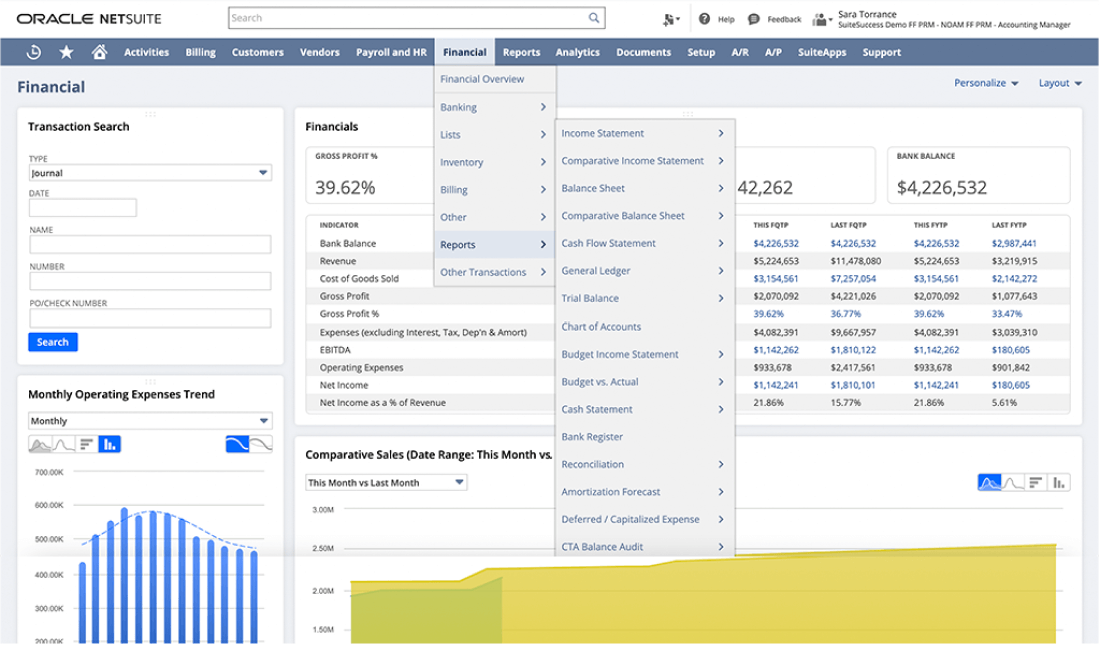
For instance, NetSuite automates invoice generation and processing, reducing errors and accelerating the payment cycle. It also streamlines bank reconciliation by automatically matching transactions, significantly reducing the time and effort involved. Additionally, NetSuite’s robust reporting capabilities allow you to generate real-time financial reports, providing you with invaluable insights into your business performance.
Beyond accounting, NetSuite’s automation extends to other business functions. It seamlessly integrates with your CRM system, providing you with a unified view of your customers and their interactions. This integration enables you to track sales opportunities, manage customer relationships, and analyze customer data to optimize your marketing efforts. The automation of these processes not only saves time but also improves accuracy and efficiency, allowing you to make informed decisions based on real-time data.
Navigating the Complexities: A Deeper Look at NetSuite’s Features
NetSuite’s vast feature set can be overwhelming at first glance, but it’s essential to understand the intricacies of its offerings to determine if it’s the right fit for your business. Let’s explore some of the key features that make NetSuite a powerful tool for financial management.
At the core of NetSuite is its accounting functionality. It provides a comprehensive suite of tools for managing accounts payable, accounts receivable, general ledger, and financial reporting. You can track invoices, payments, expenses, and revenue, ensuring accurate financial records. NetSuite also supports multiple currencies, making it ideal for businesses operating in international markets.
Beyond accounting, NetSuite offers a wide range of modules catering to specific business needs. For instance, the inventory management module allows you to track inventory levels, manage stock orders, and optimize warehouse operations. The CRM module helps you manage customer relationships, track sales opportunities, and automate marketing campaigns. The e-commerce module provides tools for setting up online stores, managing product catalogs, and processing online orders.
Beyond the Surface: Examining the Potential Drawbacks
While NetSuite offers a compelling array of features, it’s crucial to consider potential drawbacks before making a decision. The first hurdle is the cost. NetSuite is a premium solution, and its pricing structure can be complex, often based on the number of users and modules you require. For smaller businesses with limited budgets, the cost of NetSuite might be prohibitive.
Another consideration is the learning curve. While NetSuite is user-friendly, its vast feature set can be daunting for users unfamiliar with cloud accounting software. Implementing and configuring NetSuite requires time and effort, and you might need to invest in training or support to maximize its potential.
Finally, NetSuite’s customization capabilities can be both a blessing and a curse. While it offers a high degree of flexibility, customizing the software can be complex and require technical expertise. If you need to make significant changes to the system, you might need to engage a NetSuite partner for assistance, adding to the overall cost.
Making the Right Choice: Evaluating Your Needs
Choosing the right accounting software is a critical decision, and it’s essential to consider your specific needs and requirements before committing to NetSuite. If you’re a growing business with complex financial processes and a need for automation, NetSuite might be the perfect solution. However, if you’re a small business with a limited budget and simple accounting requirements, a more affordable and user-friendly option might be a better fit.
Here are some key questions to ask yourself before making a decision:
- What are your specific accounting needs? Do you need to manage accounts payable, accounts receivable, inventory, or payroll?
- How many users will be accessing the software?
- What is your budget for accounting software?
- What level of customization do you require?
- Do you need support for multiple currencies or locations?
By carefully considering these factors, you can make an informed decision about whether NetSuite is the right cloud accounting software for your business.
NetSuite’s Journey: A Look at the Future of Cloud Accounting
NetSuite has come a long way since its inception, evolving into a leading cloud accounting software solution. The company continues to innovate, introducing new features and functionalities to enhance its offerings. As the business world embraces cloud computing, NetSuite is well-positioned to capitalize on this trend.
The future of cloud accounting is bright, with software like NetSuite paving the way for greater efficiency, automation, and data-driven decision-making. As businesses continue to adopt cloud solutions, we can expect to see even more sophisticated features and integrations emerge, transforming the way companies manage their finances.
NetSuite’s journey is a testament to the power of innovation and the growing importance of cloud-based solutions. As businesses seek to streamline their operations and gain a competitive edge, cloud accounting software like NetSuite is poised to become an indispensable tool for financial management.