Navigating the Project Management Jungle: Finding the Best Web-Based Software for Your Team
The world of project management is a jungle, teeming with tools and strategies, each promising to tame the chaos and deliver success. But amidst the abundance of options, finding the right web-based project management software can feel like searching for a needle in a haystack. You need a solution that fits your team’s workflow, budget, and goals, a digital compass to guide you through the complexities of planning, execution, and completion.
So, where do you begin? The answer, as always, lies in understanding your needs. Are you a small team working on a single project, or a large enterprise managing multiple initiatives simultaneously? What are your priorities: communication, collaboration, task tracking, or perhaps a blend of all three? Are you looking for a free, open-source solution, or are you willing to invest in a premium platform with advanced features? Once you have a clear picture of your requirements, you can start exploring the vast landscape of web-based project management software.
The Power of Collaboration: Tools for Team Synergy
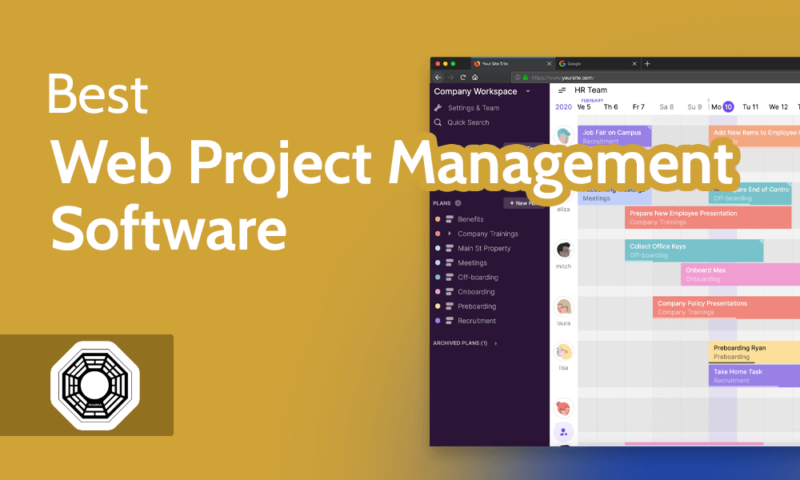
One of the most crucial aspects of successful project management is effective collaboration. Web-based software excels in fostering this synergy, providing a central hub for communication, task delegation, and progress updates. Tools like Asana, Trello, and Monday.com offer intuitive interfaces and robust features designed to streamline team interactions. Asana, for example, allows you to create projects, assign tasks, set deadlines, and track progress in real-time, all while maintaining a clear overview of the entire project lifecycle. Trello, known for its Kanban-style boards, provides a visual representation of workflows, making it easy to understand the status of individual tasks and their dependencies. Monday.com, on the other hand, offers a highly customizable platform, allowing you to tailor your workflow to suit your specific needs, from managing marketing campaigns to tracking software development sprints.
These platforms are not just about task management; they are about fostering a culture of collaboration. They enable seamless communication through built-in messaging systems, facilitate file sharing, and provide tools for brainstorming and decision-making. By centralizing information and facilitating real-time collaboration, these web-based solutions empower teams to work together more effectively, break down silos, and ultimately, achieve their goals.
Beyond the Basics: Advanced Features for Increased Efficiency
While basic task management and communication features are essential, some projects demand more advanced functionalities. This is where platforms like Jira, Wrike, and ClickUp come into play. These tools offer a wide range of features designed to enhance efficiency, improve productivity, and cater to the needs of diverse teams. Jira, for example, is a popular choice for software development teams, providing comprehensive tools for bug tracking, issue management, and agile project planning. Wrike, with its focus on enterprise-level project management, offers features like resource management, time tracking, and advanced reporting, enabling businesses to optimize their workflows and gain valuable insights into their project performance. ClickUp, known for its versatility, offers a plethora of features, including task automation, Gantt charts, and customizable dashboards, catering to a wide range of project types and team sizes.
These advanced platforms are not just about managing tasks; they are about empowering teams to work smarter, not harder. They automate repetitive processes, provide real-time visibility into project progress, and offer data-driven insights that inform decision-making. By leveraging these features, teams can optimize their workflows, minimize inefficiencies, and ultimately, deliver projects on time and within budget.
Finding the Perfect Fit: Assessing Your Needs and Budget
The choice of web-based project management software ultimately boils down to your specific needs and budget. There is no one-size-fits-all solution, and what works for one team may not be suitable for another. Before embarking on your search, consider the following factors:
- Team size and structure: Are you a small, agile team, or a large, distributed organization? Some platforms are better suited for smaller teams, while others offer features designed for enterprise-level collaboration.
- Project complexity: Are you managing simple tasks or complex projects with multiple dependencies? Choose a platform that offers the necessary features to handle the level of complexity you face.
- Budget: Free and open-source options are available, but they may lack advanced features. Premium platforms offer a wider range of functionalities, but they come with a price tag.
- Integration with other tools: Does your team rely on specific tools like Slack, Google Drive, or Dropbox? Ensure that the chosen platform integrates seamlessly with your existing ecosystem.
- Ease of use: Look for a platform with an intuitive interface and a learning curve that aligns with your team’s technical proficiency.
By carefully considering these factors, you can narrow down your choices and identify the web-based project management software that best meets your needs.
Exploring the Landscape: A Look at Popular Options
The market for web-based project management software is vast and diverse. To help you navigate this landscape, here’s a closer look at some of the most popular options:
- Asana: Known for its simplicity and ease of use, Asana is a popular choice for teams of all sizes. Its intuitive interface and robust features make it ideal for managing projects, assigning tasks, and tracking progress.
- Trello: Trello’s Kanban-style boards provide a visual representation of workflows, making it easy to understand the status of individual tasks and their dependencies. Its simplicity and flexibility make it a great option for teams looking for a visual and collaborative project management solution.
- Monday.com: Monday.com offers a highly customizable platform, allowing you to tailor your workflow to suit your specific needs. Its wide range of features and integrations make it a powerful choice for teams managing complex projects.
- Jira: Jira is a popular choice for software development teams, providing comprehensive tools for bug tracking, issue management, and agile project planning. Its advanced features and integrations make it a powerful solution for managing software development projects.
- Wrike: Wrike is a robust platform designed for enterprise-level project management. Its features include resource management, time tracking, and advanced reporting, enabling businesses to optimize their workflows and gain valuable insights into their project performance.
- ClickUp: ClickUp is known for its versatility, offering a wide range of features, including task automation, Gantt charts, and customizable dashboards. Its flexibility and affordability make it a popular choice for teams of all sizes.
- Basecamp: Basecamp is a simple and intuitive platform designed for team communication and collaboration. Its focus on simplicity and ease of use makes it a good option for teams looking for a basic project management solution.
- Smartsheet: Smartsheet is a powerful platform that combines project management with spreadsheet functionality. Its robust features and integrations make it a good choice for teams managing complex projects that require data analysis and reporting.
- Zoho Projects: Zoho Projects is a comprehensive platform that offers a wide range of features, including task management, time tracking, and resource management. Its affordability and comprehensive features make it a good option for businesses looking for a cost-effective project management solution.
This list represents just a fraction of the available options. It’s essential to research and compare different platforms based on your specific needs and budget to find the best fit for your team.
Beyond the Software: Embracing the Principles of Project Management
While choosing the right web-based software is crucial, it’s important to remember that project management is more than just tools and technology. It’s about embracing a set of principles and practices that guide your team towards success. Here are some key principles to keep in mind:
- Clear communication: Effective communication is essential for successful project management. Ensure that everyone on the team understands the project goals, roles, responsibilities, and timelines.
- Collaborative planning: Involve all team members in the planning process to ensure that everyone is aligned on the project objectives and how they will be achieved.
- Task prioritization: Focus on the most important tasks first and delegate them to the right team members. Avoid multitasking and concentrate on completing one task at a time.
- Regular progress updates: Keep track of project progress and provide regular updates to stakeholders. This helps to identify potential issues early on and ensure that the project is on track.
- Flexibility and adaptability: Be prepared to adjust your plans as needed based on changing circumstances or unforeseen challenges. Flexibility is key to navigating the complexities of project management.
By embracing these principles and choosing the right web-based project management software, you can empower your team to work together effectively, achieve their goals, and deliver successful projects. Remember, the journey to project management success is not just about the tools you use; it’s about the mindset you cultivate and the principles you embrace.