Navigating the Cloud Management Landscape: A Deep Dive into the Gartner Magic Quadrant
The cloud is no longer a futuristic concept; it’s the backbone of modern businesses. But with this shift comes a new set of challenges, particularly around managing the complexity of a multi-cloud environment. This is where cloud management platforms (CMPs) step in, offering a centralized hub to control, monitor, and optimize your cloud infrastructure. But with so many CMP vendors vying for your attention, how do you choose the right one? That’s where the Gartner Magic Quadrant comes in, a valuable tool for navigating the crowded CMP landscape.
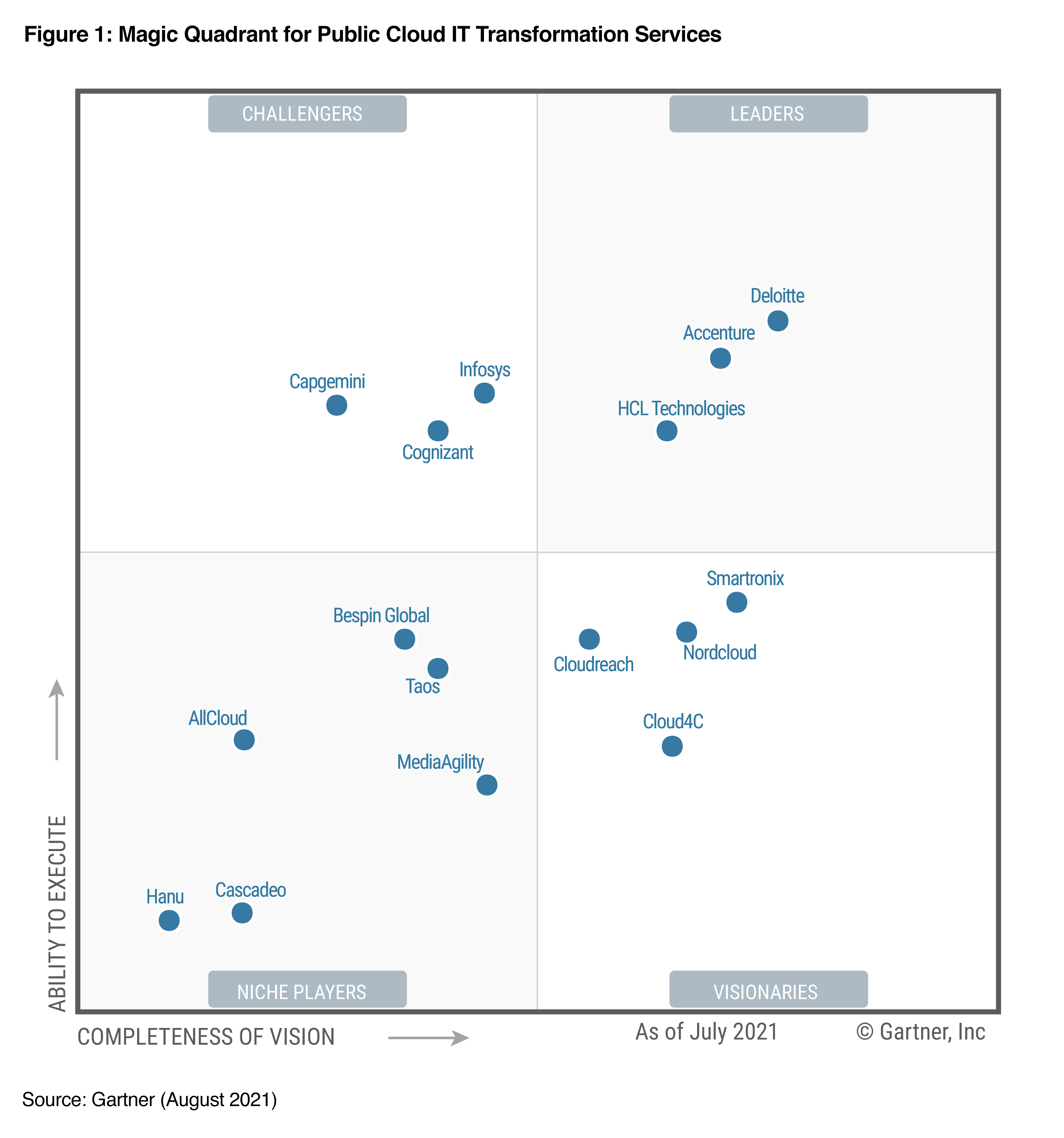
The Gartner Magic Quadrant for Cloud Management Platforms provides a comprehensive overview of the key players in the market, categorized based on their ability to execute and completeness of vision. This quadrant isn’t just a list of vendors; it’s a roadmap for understanding the strengths and weaknesses of each platform, helping you make informed decisions about your cloud management strategy.
The quadrant itself is divided into four sections: Leaders, Challengers, Visionaries, and Niche Players. Each section represents a different stage in a vendor’s journey, reflecting their market share, innovation, and overall impact on the cloud management landscape. Leaders are the dominant forces, known for their robust features, strong customer satisfaction, and proven track record. Challengers are making significant strides, often pushing the boundaries of innovation and challenging the status quo. Visionaries are those with a clear vision for the future of cloud management, often focusing on emerging technologies and disruptive approaches. And finally, Niche Players cater to specific segments of the market, offering specialized solutions for particular cloud management needs.
Understanding the Quadrant’s Axes: Completeness of Vision and Ability to Execute
The Gartner Magic Quadrant is based on two key axes: Completeness of Vision and Ability to Execute. Completeness of Vision assesses a vendor’s understanding of the market, their ability to anticipate future trends, and their roadmap for developing innovative solutions. It’s about the big picture, their strategy for addressing the evolving needs of the cloud management landscape. A vendor with a high Completeness of Vision score demonstrates a strong grasp of the market dynamics and a clear vision for the future of cloud management.
Ability to Execute, on the other hand, is about a vendor’s operational capabilities. It evaluates their ability to deliver on their vision, their market presence, their customer support, and their overall execution strategy. A vendor with a high Ability to Execute score demonstrates a strong track record of delivering high-quality solutions, meeting customer needs, and effectively managing their operations.
The intersection of these two axes creates the four quadrants, each representing a unique combination of vision and execution. Leaders, for example, excel in both Completeness of Vision and Ability to Execute, demonstrating a strong understanding of the market and a proven track record of delivering successful solutions. Challengers may have a strong vision but may struggle to execute it effectively, while Visionaries may have a compelling vision but lack the market presence or operational capabilities to fully realize it. Niche Players typically focus on a specific segment of the market, often excelling in a particular area of cloud management.
The Value of the Gartner Magic Quadrant: A Guide to Informed Decisions
The Gartner Magic Quadrant is a valuable resource for organizations looking to make informed decisions about their cloud management strategy. It provides a comprehensive overview of the key players in the market, their strengths and weaknesses, and their overall position within the cloud management landscape. This information allows you to:
- Identify the Leading Players: The quadrant highlights the top performers in the market, those with a strong track record of innovation and customer satisfaction. This helps you narrow down your options and focus on vendors with a proven track record.
- Evaluate Emerging Trends: The quadrant provides insights into emerging trends in cloud management, highlighting vendors that are pushing the boundaries of innovation and developing solutions for the future. This allows you to stay ahead of the curve and adopt solutions that align with your long-term goals.
- Understand Vendor Positioning: The quadrant categorizes vendors based on their Completeness of Vision and Ability to Execute, providing a clear understanding of their strengths and weaknesses. This allows you to choose vendors that align with your specific needs and priorities.
- Assess Your Cloud Management Needs: The quadrant helps you identify the key features and capabilities you need in a CMP, based on your specific cloud environment and business requirements. This ensures that you choose a solution that meets your unique needs.
Beyond the Quadrant: Evaluating CMPs for Your Specific Needs
While the Gartner Magic Quadrant provides a valuable starting point, it’s important to remember that it’s just one piece of the puzzle. Ultimately, the best CMP for your organization will depend on your specific needs and priorities. Here are some key factors to consider:
- Cloud Environment: The first step is to understand your existing cloud environment. Are you using a single cloud provider, or are you operating in a multi-cloud environment? The type of cloud environment you have will impact the features and capabilities you need in a CMP.
- Business Requirements: What are your specific business needs for cloud management? Are you looking for cost optimization, security enhancements, improved performance, or all of the above? Your business requirements will help you prioritize the features and capabilities that are most important to you.
- Budget and Resources: It’s essential to consider your budget and available resources when evaluating CMPs. Some solutions are more expensive than others, and some may require more technical expertise to implement and manage.
- Integration and Compatibility: Ensure that the CMP you choose integrates seamlessly with your existing systems and applications. This will minimize disruption and ensure a smooth transition to your new cloud management platform.
- Customer Support and Documentation: Look for a vendor with a strong track record of customer support and comprehensive documentation. This will ensure that you have the resources you need to successfully implement and manage your new CMP.
Conclusion: Choosing the Right CMP for Your Cloud Journey
Navigating the cloud management landscape can be daunting, but the Gartner Magic Quadrant provides a valuable roadmap for making informed decisions. By understanding the key players in the market, their strengths and weaknesses, and their overall position within the cloud management landscape, you can choose a CMP that aligns with your specific needs and priorities. But remember, the quadrant is just a starting point. It’s essential to conduct your own research, evaluate vendors based on your specific requirements, and choose a solution that will empower your cloud journey.