Deciphering Acumatica Costs: A Guide for Smart Businesses
Choosing the right ERP system is a big decision, and Acumatica is a popular choice for businesses looking to streamline operations and improve efficiency. But before you dive into the world of cloud-based ERP, it’s crucial to understand the costs involved. Acumatica costs can vary greatly depending on your business size, industry, specific modules you need, and even the implementation partner you choose. So, how do you navigate this maze of pricing and find a solution that fits your budget? Let’s break it down.
Understanding Acumatica’s Pricing Model
Acumatica utilizes a subscription-based pricing model, meaning you pay a monthly or annual fee for access to the software. This model offers several benefits over traditional upfront licensing fees. You enjoy predictable monthly payments, eliminating the need for large capital outlays. You also get automatic access to software updates and upgrades, ensuring you’re always working with the latest version. But, the actual cost can be a bit more complex than a simple subscription fee.
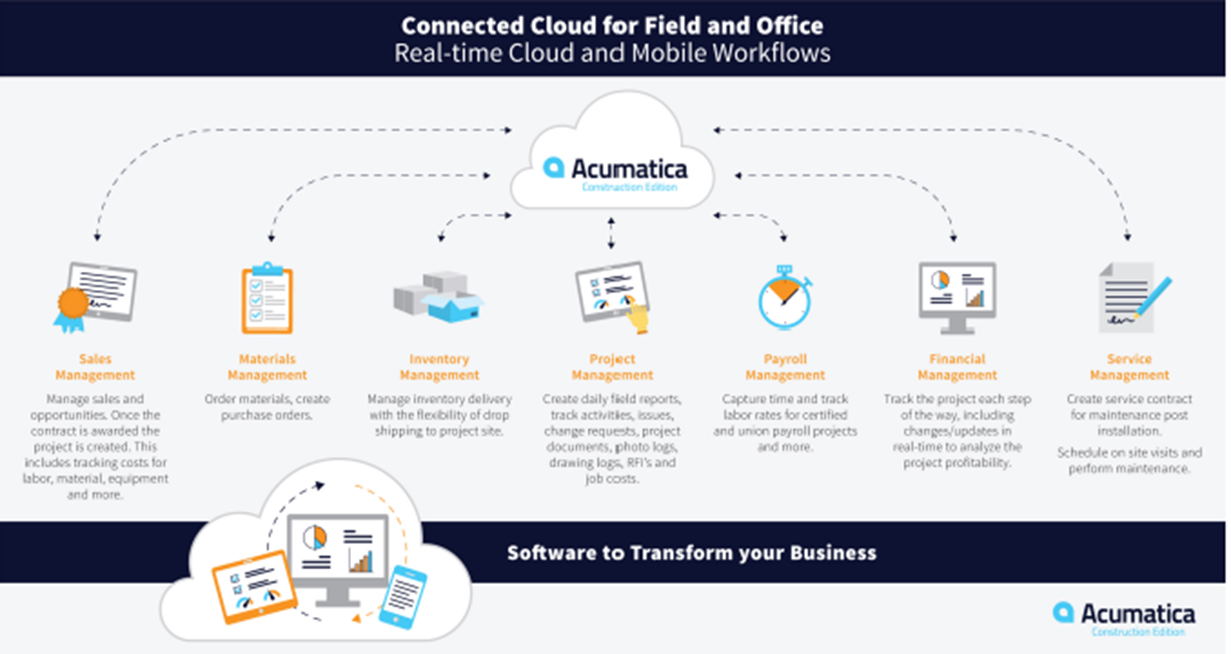
Acumatica offers several different pricing tiers, each with its own set of features and functionalities. The basic tier, called "Acumatica Cloud ERP Essentials," is designed for smaller businesses and provides core ERP functionalities like accounting, inventory management, and CRM. As you move up the tiers, you gain access to more advanced features, including advanced reporting, business intelligence, and industry-specific modules. The price of each tier is determined by the number of users, the specific modules you choose, and any additional services you require, such as implementation, training, and ongoing support.
Exploring the Costs Beyond the Subscription
While the subscription fee is a major cost factor, it’s not the only one you need to consider. Acumatica also charges for additional services, such as:
- Implementation: This is the process of setting up and configuring the software to meet your specific business needs. Implementation costs can vary widely depending on the complexity of your business processes, the number of modules you’re implementing, and the experience of your implementation partner.
- Training: To ensure your team can effectively use Acumatica, you’ll need to invest in training. Training costs can range from a few hundred dollars to several thousand dollars, depending on the number of users and the depth of the training.
- Customization: If you need to tailor Acumatica to your unique business processes, you may need to invest in customization. This can involve developing custom reports, workflows, or integrations with other systems. Customization costs can vary widely depending on the complexity of the changes.
- Support: Even after your Acumatica implementation is complete, you’ll need ongoing support to keep the system running smoothly. Acumatica offers various support options, including phone, email, and online resources. The cost of support can vary depending on the level of service you require.
Factors Influencing Acumatica Costs
Several factors can influence the overall cost of implementing and using Acumatica. Understanding these factors can help you make informed decisions and get a better understanding of what to expect:
- Business size: Smaller businesses typically require fewer modules and users, leading to lower subscription fees. However, even smaller businesses may need to invest in implementation and training, which can add to the overall cost.
- Industry: Some industries have specific requirements that may require additional modules or customization, increasing the overall cost.
- Modules: The more modules you choose, the higher the subscription fee. It’s essential to carefully consider which modules are essential to your business operations and avoid paying for features you won’t use.
- Implementation partner: The experience and expertise of your implementation partner can significantly impact the cost of implementation. Choosing an experienced partner can help minimize implementation time and costs, but may come with a higher initial investment.
- Customization: The more customization you require, the higher the cost. It’s essential to prioritize customization needs and focus on features that will provide the most value to your business.
Cost-Saving Strategies for Acumatica Implementation
While Acumatica can be a valuable investment, it’s essential to keep costs in check. Here are some strategies to help you save money:
- Start with a clear scope: Define your business requirements and identify the essential modules you need before you start the implementation process. This will help you avoid unnecessary features and minimize the cost of implementation.
- Choose the right implementation partner: Look for a partner with experience in your industry and a proven track record of successful implementations. A good implementation partner can help you save money on implementation costs and ensure a smooth transition to Acumatica.
- Optimize your processes: Review your existing business processes and identify areas where you can streamline operations. This can help you reduce the number of modules you need and minimize the overall cost of implementation.
- Consider cloud hosting: Acumatica offers cloud hosting, which can save you money on hardware and software maintenance costs. You’ll also benefit from automatic updates and upgrades, ensuring you’re always working with the latest version of the software.
- Negotiate your contract: Don’t be afraid to negotiate your contract with Acumatica and your implementation partner. You may be able to secure discounts on subscription fees, implementation services, or training.
Exploring Acumatica Alternatives
While Acumatica is a solid ERP solution, it’s not the only option available. You might consider exploring other ERP solutions, such as:
- Sage Intacct: Sage Intacct is another cloud-based ERP solution that offers a wide range of features and functionalities. It’s known for its strong financial management capabilities and its user-friendly interface.
- NetSuite: NetSuite is a comprehensive cloud ERP suite that offers a wide range of features, including financials, CRM, and inventory management. It’s a popular choice for businesses of all sizes.
- Microsoft Dynamics 365: Microsoft Dynamics 365 is a cloud-based ERP solution that integrates seamlessly with other Microsoft products. It offers a range of features and functionalities, including financials, CRM, and supply chain management.
Conclusion
Acumatica can be a powerful tool for businesses looking to streamline operations and improve efficiency. However, it’s crucial to understand the costs involved and make informed decisions about your implementation. By carefully considering your business needs, exploring different pricing options, and implementing cost-saving strategies, you can find a solution that fits your budget and helps you achieve your business goals.