Acumatica ERP System: Your Guide to Streamlined Business Operations
So, you’re looking for a way to streamline your business operations, improve efficiency, and gain better control over your finances? You’ve probably heard the term "ERP system" thrown around, but what exactly is it, and how can it help you? Well, let me tell you, Acumatica ERP is a game-changer. It’s a cloud-based system that can revolutionize the way you manage your business, from finance and accounting to inventory and sales.
But let’s be honest, the world of ERP systems can be overwhelming. There are so many options out there, each with its own features and benefits. So how do you know if Acumatica is the right choice for your business? That’s where I come in. I’ve been in the trenches, working with businesses of all sizes to implement and optimize their ERP systems. And let me tell you, Acumatica has consistently stood out as a powerful and flexible solution.
Today, we’re going to dive deep into the world of Acumatica ERP. We’ll explore its core features, understand how it can benefit your business, and even touch on some of the potential challenges you might face. By the end of this post, you’ll have a clear understanding of whether Acumatica is the right fit for you and how to make the most of its capabilities.
The Power of Acumatica: Unveiling its Core Features
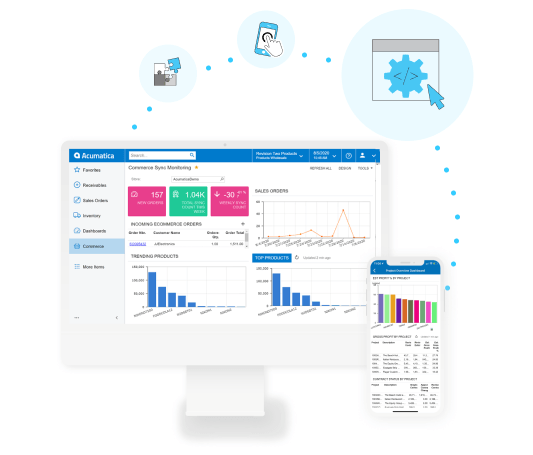
Acumatica ERP is a comprehensive solution that encompasses a wide range of modules designed to manage every aspect of your business. Let’s break down some of the key features that make it stand out:
- Financial Management: Acumatica’s financial management module empowers you to streamline your accounting processes, manage your cash flow, and gain insights into your financial performance. You can easily track invoices, manage accounts payable and receivable, and generate detailed financial reports. This real-time visibility into your finances allows you to make informed decisions, optimize your resources, and ensure financial stability.
- Sales and Marketing: The sales and marketing module provides a centralized platform to manage your customer interactions, track sales opportunities, and automate marketing campaigns. You can create and manage quotes, track orders, and monitor customer satisfaction. This comprehensive view of your sales funnel allows you to identify growth opportunities, optimize your marketing efforts, and build stronger customer relationships.
- Inventory Management: Acumatica’s inventory management module helps you optimize your inventory levels, reduce storage costs, and minimize stockouts. You can track inventory movements, manage purchase orders, and monitor stock levels in real-time. This visibility into your inventory allows you to make informed decisions about purchasing, production, and distribution, ensuring you have the right products at the right time.
- Project Management: For businesses involved in project-based work, Acumatica’s project management module is a game-changer. You can track project progress, manage resources, and monitor profitability. This allows you to efficiently allocate resources, manage deadlines, and deliver projects on time and within budget.
Beyond these core modules, Acumatica offers a wide range of add-ons and integrations to cater to specific industry needs. Whether you’re in manufacturing, retail, distribution, or any other sector, Acumatica can be tailored to meet your unique requirements.
Acumatica ERP: A Boon for Businesses of All Sizes
Acumatica ERP is a versatile solution that can cater to businesses of all sizes, from startups to large enterprises. Its scalability allows it to grow with your business, ensuring you have the right tools and features as you expand.
For Small Businesses: Acumatica provides a cost-effective and user-friendly solution to manage their operations. Its cloud-based nature eliminates the need for expensive hardware and software installations, making it accessible to businesses with limited budgets. The intuitive interface and comprehensive features allow small businesses to streamline their processes, gain valuable insights into their performance, and focus on growing their business.
For Mid-Sized Businesses: Acumatica offers a robust platform that can handle the complexities of mid-sized businesses. Its advanced features, including real-time reporting, data analytics, and workflow automation, allow mid-sized businesses to optimize their operations, improve efficiency, and gain a competitive edge.
For Large Enterprises: Acumatica provides a scalable and customizable solution that can meet the needs of large enterprises with complex operations. Its ability to integrate with existing systems and its extensive customization options allow large enterprises to tailor Acumatica to their specific requirements, ensuring a seamless transition and a smooth implementation process.
Acumatica’s flexibility and adaptability make it a powerful tool for businesses of all sizes, empowering them to achieve their goals and thrive in today’s competitive market.
The Advantages of Choosing Acumatica ERP: A Comprehensive Look
Now that we’ve explored the core features and benefits of Acumatica, let’s delve into the reasons why it’s considered a leading ERP solution.
1. Cloud-Based Platform: Acumatica’s cloud-based platform is one of its biggest strengths. This means you can access your data and manage your business from anywhere with an internet connection. No more clunky software installations or expensive hardware upgrades. This flexibility allows your team to work remotely, collaborate effectively, and access information on the go.
2. User-Friendly Interface: Acumatica is known for its intuitive and user-friendly interface. It’s designed to be easy to learn and use, even for users with limited technical expertise. This means you can quickly train your employees and have them up and running with Acumatica in no time.
3. Scalability and Customization: Acumatica is highly scalable, meaning it can grow with your business. Whether you’re a small startup or a large enterprise, Acumatica can adapt to your changing needs. You can easily add new users, modules, and features as your business expands, ensuring you always have the right tools for the job.
4. Integration Capabilities: Acumatica integrates seamlessly with a wide range of third-party applications, including accounting software, CRM systems, and e-commerce platforms. This allows you to create a unified system that streamlines your business processes and eliminates data silos.
5. Affordable Pricing: Acumatica offers a competitive pricing model that makes it accessible to businesses of all sizes. Its subscription-based pricing structure eliminates the need for upfront investments in hardware and software, making it a cost-effective solution.
6. Mobile Accessibility: Acumatica’s mobile app allows you to manage your business from your smartphone or tablet. You can access your data, approve invoices, and track progress on the go, keeping you in control of your operations wherever you are.
7. Industry-Specific Solutions: Acumatica offers industry-specific solutions tailored to meet the unique needs of various sectors, including manufacturing, distribution, retail, and services. These solutions include pre-configured modules and workflows designed to optimize processes and improve efficiency within specific industries.
8. Strong Support and Community: Acumatica has a robust support network, including a dedicated customer support team and a vibrant online community. This ensures you have access to help and resources whenever you need them, whether it’s troubleshooting technical issues or seeking advice from fellow Acumatica users.
Navigating the Acumatica Implementation Journey: A Roadmap to Success
Implementing a new ERP system can be a daunting task, but with careful planning and execution, it can be a smooth and successful process. Here’s a roadmap to guide you through the implementation journey:
1. Define Your Business Needs: Before embarking on the implementation journey, it’s crucial to define your business needs and goals. What are your key pain points? What processes do you want to streamline? What data do you need to track? By clearly defining your objectives, you can ensure that Acumatica is the right solution for your business and that the implementation process is aligned with your strategic goals.
2. Choose the Right Implementation Partner: Selecting the right implementation partner is crucial for a successful implementation. Look for a partner with experience in Acumatica implementations, a proven track record, and a strong understanding of your industry. A good implementation partner will provide guidance, support, and expertise throughout the process, ensuring a smooth transition to the new system.
3. Data Migration and Training: Data migration is a critical step in the implementation process. You need to ensure that all your existing data is accurately transferred to Acumatica. This involves carefully mapping data fields and ensuring data integrity. Training is also essential to ensure that your team is comfortable using Acumatica. A well-structured training program should cover all aspects of the system, including core functionalities, workflows, and reporting.
4. Go Live and Ongoing Support: The go-live phase marks the launch of Acumatica in your organization. This involves testing the system, resolving any remaining issues, and ensuring a smooth transition to the new platform. Once Acumatica is live, it’s important to have ongoing support to address any technical issues, provide training for new employees, and ensure the system is optimized for your business needs.
Overcoming Potential Challenges: A Practical Guide to Acumatica Implementation
While Acumatica offers a powerful solution, there are potential challenges you might encounter during the implementation process. Here’s a guide to help you navigate these challenges:
1. Data Migration: Data migration can be a complex process, requiring careful planning and execution. Ensure you have a robust data migration strategy that includes data mapping, data cleansing, and data validation. This will help minimize errors and ensure data integrity during the transfer process.
2. User Adoption: Getting your team to adopt a new system can be a challenge. To overcome this, provide comprehensive training, clear communication, and ongoing support. Encourage user feedback and make adjustments to the system based on their suggestions.
3. Customization and Integration: While Acumatica offers a wide range of customization options, it’s important to strike a balance between flexibility and complexity. Excessive customization can lead to increased implementation time and potential issues down the line. Similarly, integration with existing systems can be challenging, requiring careful planning and testing. Work closely with your implementation partner to ensure seamless integration.
4. Ongoing Maintenance and Support: Acumatica requires ongoing maintenance and support to ensure optimal performance and security. This includes regular updates, security patches, and technical support. Choose an implementation partner that provides comprehensive support services to keep your Acumatica system running smoothly.
Conclusion: Acumatica ERP – Your Path to Business Growth
Acumatica ERP is a powerful and flexible solution that can help businesses of all sizes streamline their operations, improve efficiency, and gain a competitive edge. Its cloud-based platform, user-friendly interface, scalability, integration capabilities, and affordable pricing make it a compelling choice for businesses looking to modernize their operations.
While implementing a new ERP system can be challenging, with careful planning, a strong implementation partner, and a dedicated team, you can overcome potential obstacles and reap the benefits of Acumatica. By embracing Acumatica’s capabilities, you can unlock new opportunities for growth, innovation, and success.