Supercharge Your Shop Floor: A Deep Dive into Manufacturing ERP Modules
Okay, let’s talk shop. Or rather, let’s talk about managing the shop, because that’s where the real magic (and the real money) happens in manufacturing. And the key to truly efficient shop floor management? Solid, well-integrated Manufacturing ERP modules. I’ve spent years wrestling with spreadsheets, clunky legacy systems, and the sheer chaos of trying to manage a manufacturing process without the right tools. Believe me, the pain is real. But the solution, thankfully, is too. We’re diving deep into the heart of what makes these modules tick, exploring the functionalities that can transform your operations from a messy, inefficient scramble into a well-oiled, profit-generating machine. We’ll cover the core modules, the benefits, and even some of the pitfalls to avoid. This isn’t just theory; this is real-world experience distilled into actionable advice.
Let’s start with the core – the beating heart – of any decent manufacturing ERP system: production planning and scheduling. This isn’t just about creating a theoretical production schedule; it’s about having a dynamic, real-time system that adapts to the inevitable hiccups and changes that plague any manufacturing process. Imagine being able to instantly see the status of every order, every machine, every material – all in one place. No more frantic calls to the shop floor, no more guessing games about delivery dates. A robust production planning module lets you optimize your resources, minimize downtime, and ultimately, deliver products faster and more efficiently. It’s about predictive analytics, too. By analyzing historical data, you can anticipate bottlenecks before they happen, proactively adjust your schedule, and avoid costly delays. Think of it as having a crystal ball for your manufacturing process – a crystal ball that’s powered by data and sophisticated algorithms. You’re not just reacting to problems; you’re preventing them. And that’s a game-changer. The ability to simulate different scenarios – “What if we get this new order? How will it impact our current schedule?” – is invaluable for strategic decision-making. This level of control and foresight isn’t a luxury; it’s a necessity in today’s competitive landscape. It’s the difference between scrambling to meet deadlines and consistently exceeding expectations.
Next, we need to talk about inventory management, because without a handle on your materials, your entire operation is built on sand. A powerful inventory module provides real-time visibility into your stock levels, allowing you to optimize your purchasing, minimize waste, and avoid costly stockouts. It’s not just about tracking what you have; it’s about predicting what you’ll need. This is where the integration with production planning becomes crucial. The system should automatically generate purchase orders based on your production schedule, ensuring you have the right materials at the right time. This eliminates guesswork, reduces lead times, and frees up your purchasing team to focus on strategic sourcing and negotiation. Think about the implications: reduced storage costs, minimized risk of obsolescence, and a smoother, more efficient production flow. And the beauty of it all? The data-driven insights you gain from a well-implemented inventory module allow for continuous improvement. You can identify slow-moving items, optimize your storage layout, and even negotiate better deals with suppliers based on your actual consumption patterns. It’s a virtuous cycle of efficiency and cost savings, all driven by the power of data. It’s about moving beyond reactive inventory management to proactive, intelligent control of your supply chain.
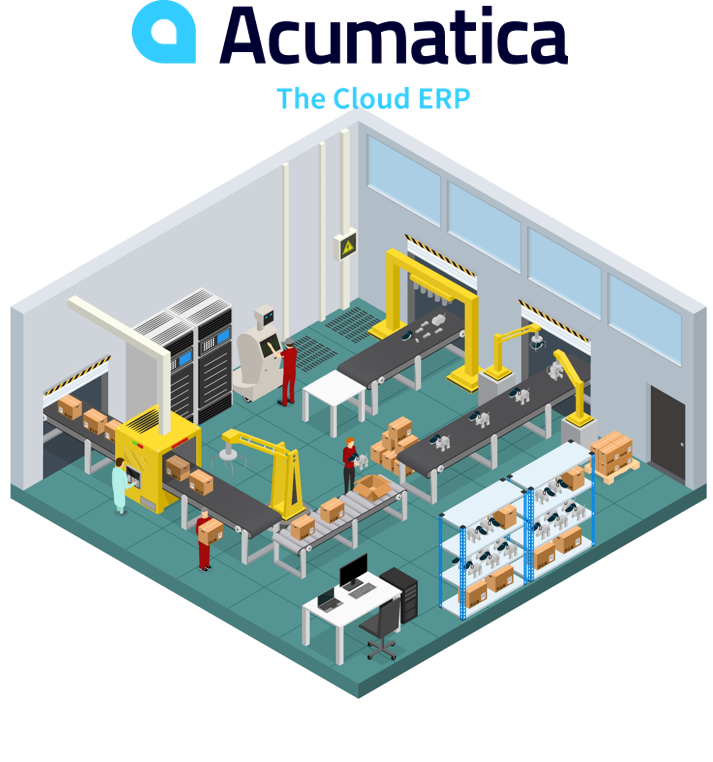
Now, let’s get into the nitty-gritty: quality control and management. This is where many manufacturers stumble, and it’s where a well-designed ERP module can make all the difference. A robust quality management module allows you to track defects, analyze root causes, and implement corrective actions – all within a centralized system. This isn’t just about identifying problems; it’s about preventing them from happening again. Imagine having a complete audit trail of every product, every batch, every inspection – all easily accessible and readily available for analysis. This level of transparency is crucial for continuous improvement, for meeting industry standards, and for maintaining the reputation of your brand. Beyond tracking defects, a good quality management module also helps you manage your quality certifications and compliance requirements. It ensures that you’re meeting all the necessary standards, reducing the risk of costly penalties and reputational damage. It’s about building a culture of quality, not just a system for tracking defects. It’s about empowering your team to identify and address problems proactively, continuously striving for excellence. The payoff? Higher quality products, greater customer satisfaction, and a stronger brand reputation – all leading to increased profitability and a competitive edge.
But we can’t ignore the human element. Manufacturing ERP modules are only as good as the people who use them. This is where the importance of user-friendly interfaces and robust training programs comes into play. A clunky, difficult-to-use system will be met with resistance, leading to underutilization and a failure to realize the full potential of the investment. Choose a system that’s intuitive and easy to navigate, one that empowers your team to work more efficiently and effectively. Invest in comprehensive training programs to ensure your employees understand how to use the system effectively and can leverage its full capabilities. Think about the long-term implications: a well-trained workforce is a more productive workforce, and a productive workforce is a profitable workforce. Don’t underestimate the importance of user adoption in ensuring the success of your ERP implementation. It’s not just about buying the software; it’s about integrating it seamlessly into your existing workflows and empowering your team to embrace it. This requires careful planning, ongoing support, and a commitment to continuous improvement.
Finally, let’s talk about the often-overlooked aspect of reporting and analytics. A manufacturing ERP system is a goldmine of data, but without the ability to extract meaningful insights from that data, it’s essentially useless. A strong reporting and analytics module allows you to track key performance indicators (KPIs), identify trends, and make data-driven decisions to optimize your operations. Imagine having access to real-time dashboards that provide a clear picture of your production efficiency, inventory levels, and quality metrics. This empowers you to identify areas for improvement, make informed decisions, and continuously optimize your processes. This isn’t just about generating reports; it’s about using data to drive strategic decision-making. It’s about identifying bottlenecks, optimizing workflows, and ultimately, increasing profitability. Investing in a robust reporting and analytics module is an investment in your future success. It’s about moving beyond reactive management to proactive, data-driven decision-making. It’s about leveraging the power of your data to gain a competitive advantage. And that’s a significant payoff. It’s not just about numbers on a screen; it’s about understanding the story those numbers tell.
Implementing manufacturing ERP modules is a significant undertaking. It requires careful planning, thorough research, and a commitment to ongoing improvement. But the rewards are well worth the effort. By choosing the right modules and integrating them effectively, you can transform your manufacturing operations, increase efficiency, reduce costs, and gain a significant competitive advantage. Remember, this isn’t just about technology; it’s about empowering your team, streamlining your processes, and building a more profitable and sustainable business. So, take a deep breath, dive in, and start exploring the possibilities. The future of your manufacturing operation might just depend on it.